

In that case, you will likely owe the employee the value of their PTO in cash as part of their final paycheck. It’s smart to keep a close eye on the payroll expenses that have accrued over a pay period, even if the checks haven’t gone out yet. Holiday pay for the leave accrued should then be calculated using an average of the 2 weeks in which they were paid. The following example uses a worker’s gross pay data to set out how to calculate paid and non-paid weeks. The reference period must only include weeks for which the worker was actually paid. It must not include weeks where they were not paid as they did not work.
For the employer-paid taxes and deductions, the entries for insurance will be recorded separately. Let’s understand the journal entries for accrued payroll by considering the same example of Leslie as we discussed above. After deducting the employee-paid taxes of 406 USD from Leslie’s bonus and wages, her accrued wages will become 1119 USD. Most commonly, the bonuses earned in one financial period are paid in the next one. For instance, many business entities make announcements about the bonuses earned by employees at the end of a financial period and pay in the next year. The payroll account of any business entity generally has four types of accounts.
Where should accrued payroll appear on a balance sheet?
Under the accrual basis accounting, the transactions are recorded as soon as they occur; even any one aspect of the transaction is completed. Unless your company lets employees roll PTO days into the new year, you need to reverse the accrual at the end of the year with an adjusting entry. Businesses with a use-it-or-lose-it policy start every January with a clean slate because they’re no longer responsible for paying out PTO. QuickBooks Payroll makes managing payroll accounting easier for everyone from small business owners to larger-scale organizations.
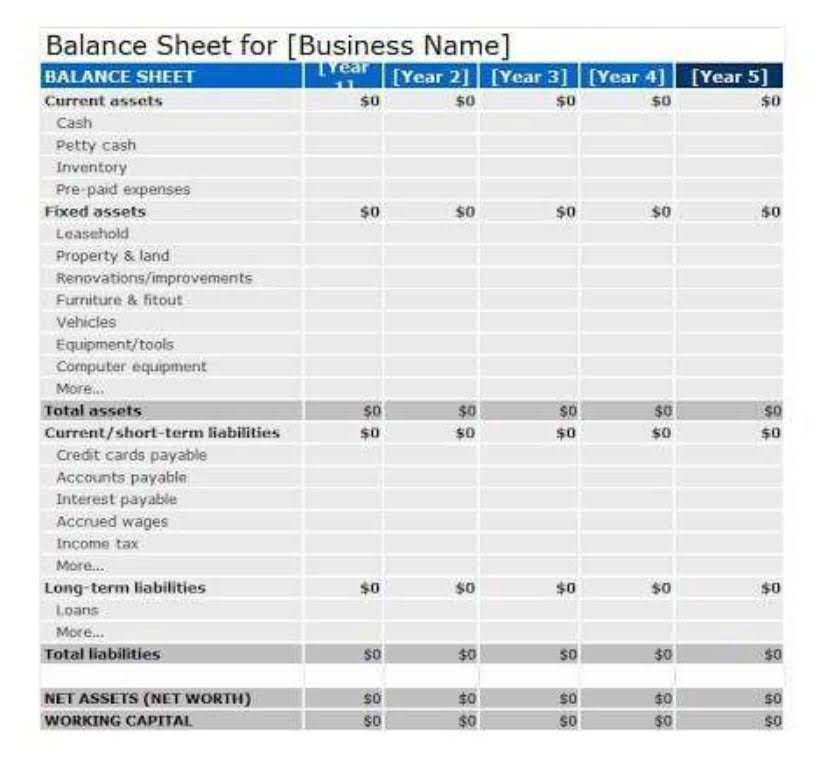
Accrued payroll (also known as payroll accrual) is the accumulated amount of salaries, wages and other compensation your employees have earned during a pay period, but which still needs to be paid out to them. In this sense, payroll accrual describes your business’s payroll liabilities, i.e. how much you owe in payroll. The accountant needs to track or record all unpaid compensations for employees for specific pay periods as a liability in their balance sheet.
Small Business Owners Guide to Accrued Payroll
The government has introduced reforms to simplify holiday entitlement and holiday pay calculations in the Working Time Regulations. Before reading this guidance, you should check the guidance on holiday entitlement. This explains how to calculate holiday entitlement accrual payroll and pay for the majority of workers. Employees whose hours regularly drop below 20 hours per week will be paid PTO on the effective date of the change in hours. An employee is required to use PTO hours according to his or her regularly scheduled workday.
Some business entities might offer their employees 0.5 days off time per month, or others might allow three days off at each quarter-end. The taxes paid are used for employees’ retirement plans, health benefits, etc. payroll taxes are also added to accrued payroll. Some taxes are employer-paid, employee-paid, or a split between the two. Therefore, the accrued payroll account is created to record the effect of this transaction. In a nutshell, accrued payroll is a liability for any business entity and is recorded in the balance sheet liabilities. The concept of accrued payroll has derived from the accrual basis of accounting that emphasizes recording a transaction even if cash has not been paid or received.
